
Case Studies
Experiential & Environmental Design
Designing Brand Experiences With Intent
The Context
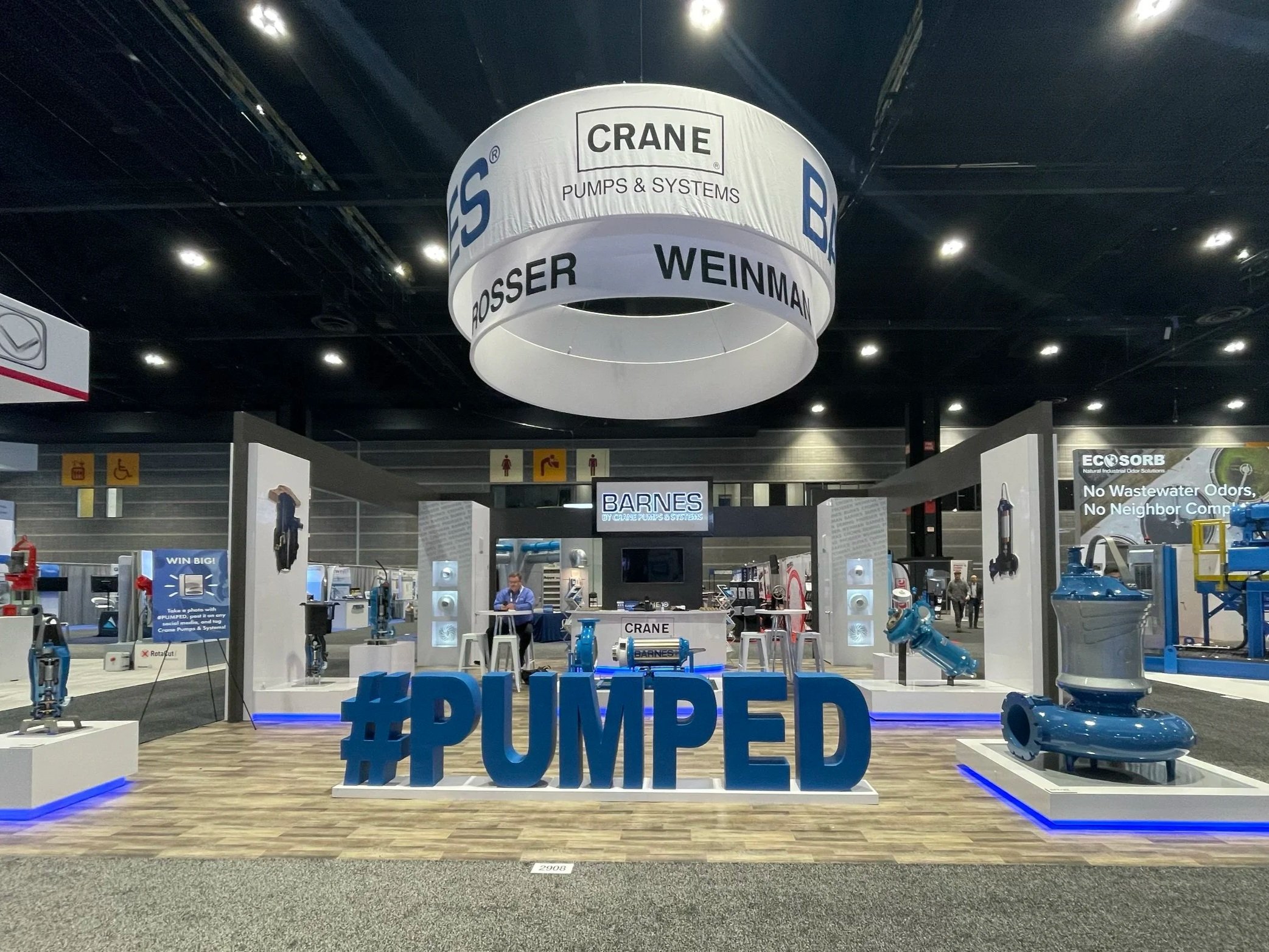
In relationship-driven industries, physical spaces shape perception in ways digital channels cannot. Trade shows, events, and partner environments influence how brands are experienced in real time.
Experiential design works best when it reinforces the broader system.
The Strategy
Experience goals are defined before layouts are drawn. Flow supports conversation and engagement. Messaging aligns with campaign narratives so the story remains consistent across touchpoints.
Environmental design becomes a physical extension of brand and product strategy. Execution requires coordination across teams and vendors while maintaining alignment to business objectives.
What I Brought to the Table
I grounded experiential design in intent before aesthetics. I ensured physical environments carried the same narrative discipline as digital campaigns. I coordinated cross-functional execution without losing strategic focus. And I treated space as part of the brand system, not separate from it.
Impact
Physical environments now reinforce the same clarity found in marketing and sales materials. Engagement is more focused, and conversations align naturally with campaign narratives.
Space supports the strategy already in motion.