Case Study
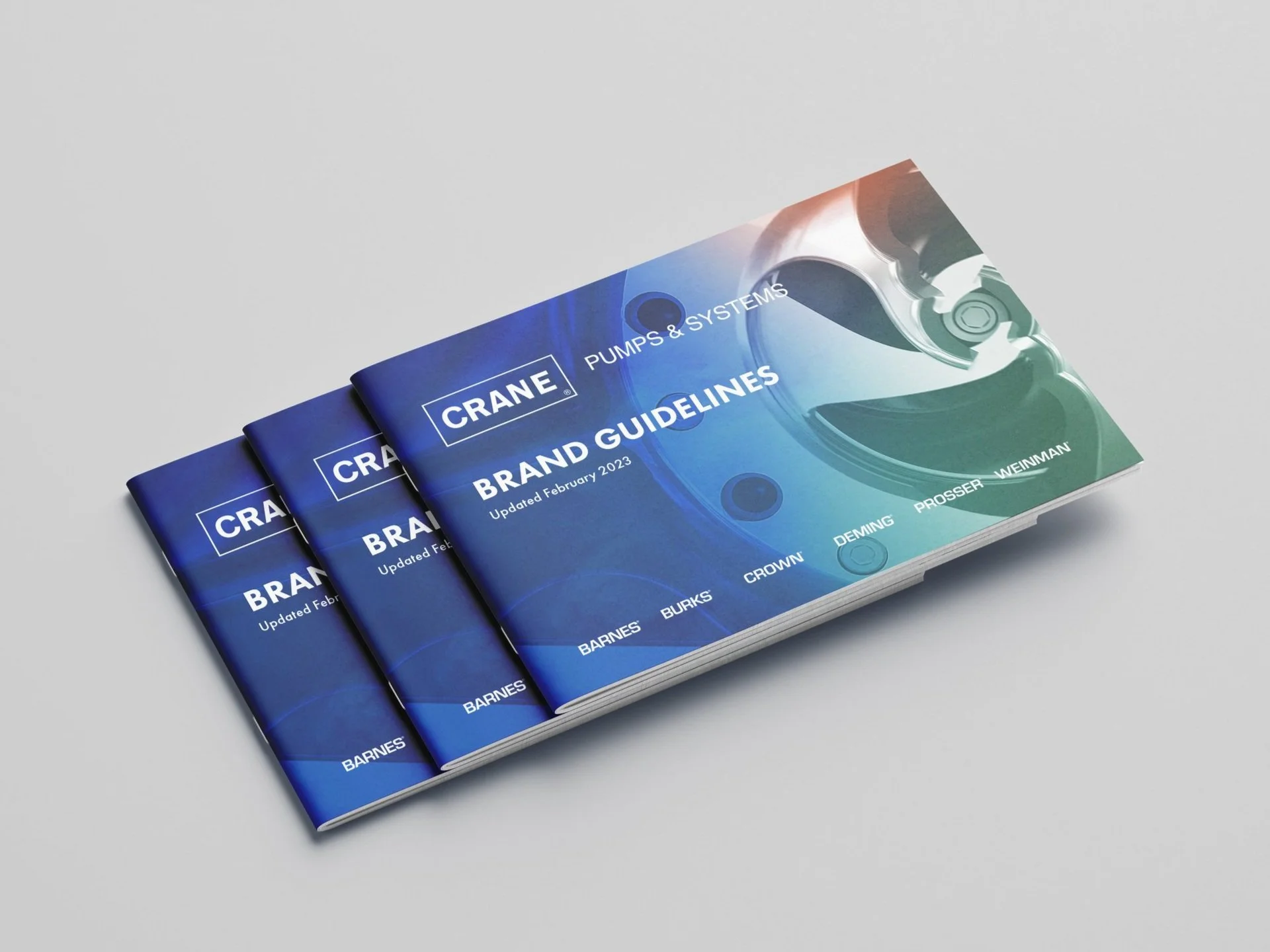
Brand Architecture & Guidance
Designing Structure Across a Multi-Brand Portfolio
Context
The organization operated within a house-of-brands model shaped by years of expansion. Each brand carried equity and history. As new product lines and technologies entered the portfolio, identity decisions were often made project by project.
Multi-brand communications required repeated discussion around hierarchy. Product lines sometimes blurred into brand-level positioning.
The portfolio had strength. It needed structure.
Strategy
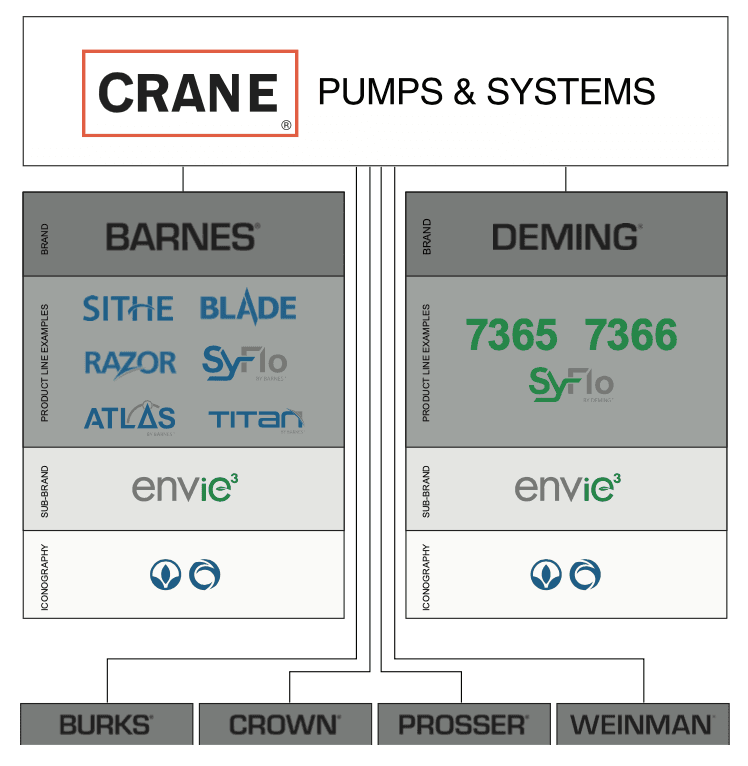
I formalized the brand model and clarified the corporate role within it. From there, I defined how stand-alone brands, product lines, and sub-brands relate to one another.
Guidelines established visual hierarchy for multi-brand communications. Criteria determined when a product line warranted independent identity. Sub-brands were organized with clear pairing logic.
Naming systems, iconography, and messaging frameworks aligned to support consistency without flattening differentiation.
Governance became part of workflow. Identity decisions now happen early, before creative accelerates.
Contribution
I approached the portfolio as a system, not a collection of logos. I asked difficult hierarchy questions early, before they surfaced in approvals. I balanced respect for legacy equity with the discipline needed for future growth. And I embedded governance into workflow so the structure would sustain beyond a single initiative.
Impact
Approval cycles shortened as hierarchy questions were resolved upstream. Multi-brand materials present a cohesive portfolio story. Product launches integrate into a defined structure instead of prompting new identity debates.
The architecture supports expansion with clarity.